
Al Capone did not die the way his reputation suggests. No rival gang caught up with him, no gunfight ended it. He died in bed, in his own house, eight years after he had last held any real power, from a disease that had been quietly destroying his mind since before he went to prison.
The timeline
| When | What |
|---|---|
| 17 Jan 1899 | Born in Brooklyn, New York |
| 17 Oct 1931 | Convicted on five counts of federal income tax evasion — his only criminal conviction |
| 1932–1939 | Serves his sentence, including time at Alcatraz; neurosyphilis, contracted years earlier, progressively damages his mental function while incarcerated |
| 16 Nov 1939 | Paroled, after his wife Mae’s appeal citing his reduced mental capacity; referred to Union Memorial Hospital in Baltimore for treatment of syphilitic paresis |
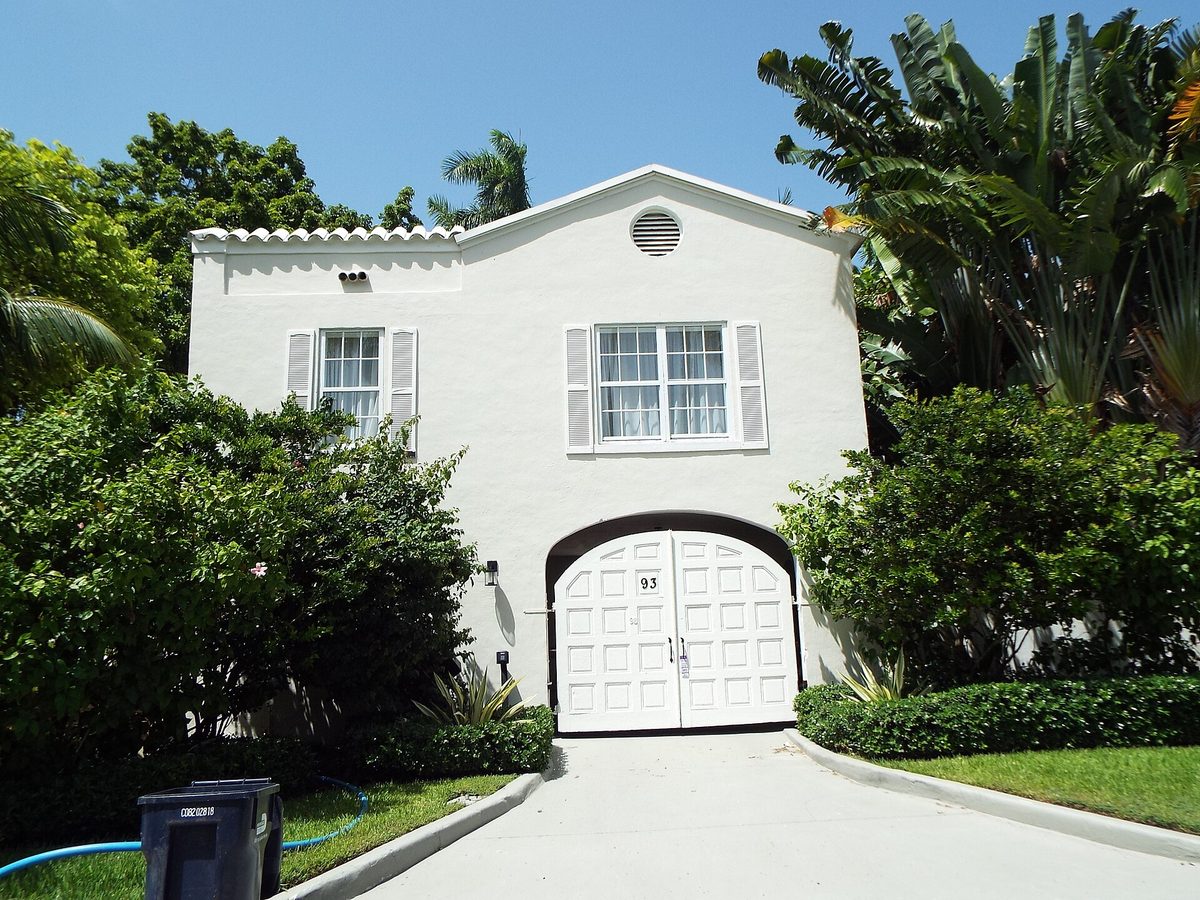
| 1939–1947 | Lives in retreat at his Palm Island, Miami Beach estate, out of organised crime and in continuing mental decline |
| 21 Jan 1947 | Suffers a stroke at Palm Island |
| 22 Jan 1947 | Suffers cardiac arrest; develops bronchopneumonia |
| 25 Jan 1947 | Dies at home, surrounded by family, 7:25pm, of cardiac failure |
| 1950 | Remains moved from Mount Olivet Cemetery, Chicago, to Mount Carmel Cemetery, Hillside, Illinois, alongside his father and brother |
The disease, not the underworld
The condition that killed Capone was neurosyphilis — the late-stage neurological damage caused by untreated syphilis, which he had contracted years before his imprisonment. By the time it was diagnosed and he was referred for treatment, it had already caused paresis: progressive, irreversible damage to his brain. He was among the first patients ever treated with penicillin, newly available and administered specifically for this condition, but the drug could only halt further damage, not reverse what had already happened. By multiple accounts of his final years, his mental function by the time of his death was comparable to a child’s.
The eight years nobody remembers
The popular image of Capone stops at his 1931 conviction, as if the story ends there. It doesn’t — it just stops being about power. He served roughly eight years, was released in 1939 already cognitively diminished, and spent his final eight years at Palm Island in decline, not running anything. The man who died in January 1947 had not controlled Chicago’s underworld in over a decade.
Where he’s actually buried
Capone was first buried at Mount Olivet Cemetery in Chicago. In 1950 his remains, along with his father Gabriele’s and his brother Frank’s, were moved to Mount Carmel Cemetery in Hillside, Illinois, where the family plot remains today. Some accounts place the move slightly later, in the early-to-mid 1950s, tied to the death of Capone’s mother; the sources this article draws on do not agree closely enough on the exact year to state one with full confidence.
Where to check this for yourself
- Wikipedia’s sourced entry on Al Capone, including the parole, treatment, and death details.
- Oak Park & Beyond’s account of Capone’s burial history and the move to Mount Carmel.
What is still unclear
The exact year his remains were moved to Mount Carmel Cemetery is given differently across sources — 1950 is the figure most directly cited, but other accounts place it later in the decade. This site has not traced the discrepancy to a primary record.
Where this site cannot verify something, it says so rather than filling the gap.
Leave a Reply