
Jung spent the last two decades of his working life writing about alchemy — not as a historian curious about a dead pseudoscience, but because he had come to believe the old alchemists were describing, in their own symbolic language, the same psychological process he called individuation. This page defines the vocabulary that work produced, in the order he built it.
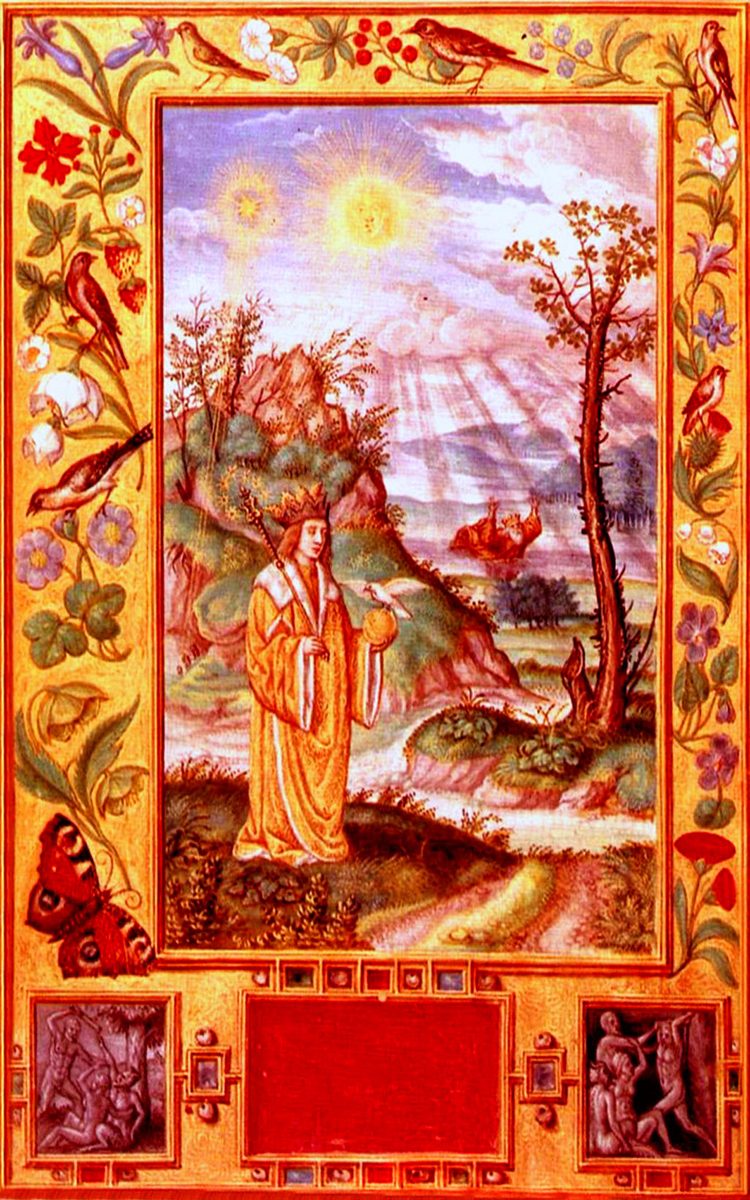
The two books this vocabulary comes from
| Book | Published | What it did |
|---|---|---|
| Psychology and Alchemy | 1944, based on lectures given in 1935–36 | Jung’s first major statement that alchemical imagery and the imagery of his patients’ dreams overlapped too closely to be coincidence |
| Mysterium Coniunctionis | 1955–56, completed in his 81st year | His final book-length work, a detailed reading of alchemical texts on the union of psychic opposites — the culmination of everything the vocabulary below was building toward |
The terms, defined
| Term | Literal/alchemical meaning | Jung’s psychological use |
|---|---|---|
| Nigredo | Latin for “blackening” — the first of alchemy’s four classic stages (nigredo, albedo, citrinitas, rubedo) | The dissolution phase of individuation: old psychological structures break down, the ego is confronted with the shadow, and nothing yet exists to replace what has collapsed |
| Coniunctio | Latin for “conjunction” — the alchemical union of opposing substances, classically figured as a king (Sol) and queen (Luna) coming together | The psychological integration of opposites — conscious and unconscious, or the masculine and feminine principles Jung called animus and anima — into something that is neither one nor the other |
| Mandorla | Italian for “almond”: the almond-shaped area where two overlapping circles meet, an image long used in religious art (haloes around Christ in Majesty) to show heaven and earth overlapping | The symbol of two opposites overlapping just enough to generate something transcending both. Robert A. Johnson, discussed on this site’s shadow-work page, devoted a chapter of Owning Your Own Shadow to it |
| Rosarium philosophorum | A set of alchemical woodcuts and commentary, printed 1550, depicting the coniunctio in a sequence of images | Jung used the woodcut sequence as a structural model for the psychological dynamics between analyst and analysand in The Psychology of the Transference (1946) |
| Mysterium coniunctionis | Latin for “the mystery of the conjunction” | Both a technical alchemical phrase and the title of Jung’s final major book, examining that union in exhaustive detail across multiple alchemical source texts |
Why alchemy, specifically
Jung’s own account is that he found, in old alchemical texts, imagery strikingly close to material his patients were independently producing in dreams and active imagination — and to material in his own visionary period, the years that produced The Red Book. Alchemy gave him something the clinical literature of his own era could not: a centuries-deep symbolic tradition, worked out by many hands over many generations, describing (in his reading) the same transformation from psychological fragmentation toward wholeness that he was seeing in analysis. Whether the alchemists themselves would have recognised Jung’s psychological reading of their work is a separate, much-debated question that this page is not attempting to settle.
Where to check this for yourself
- Wikipedia’s entries on nigredo and Psychology and Alchemy.
- Wikipedia’s entry on the Rosarium philosophorum woodcut sequence itself.
What is still unclear
How faithfully Jung’s psychological reading of these alchemical texts reflects what the original alchemists themselves believed they were doing — literal chemistry, spiritual allegory, or something else again — is a genuine scholarly dispute this page has not resolved, and states plainly rather than picking a side.
Where this site cannot verify something, it says so rather than filling the gap.
Leave a Reply